Sports Conditioning Pilates Northern Beaches for Athletic Performance, Strength, Recovery, Mobility, and Injury Prevention Training
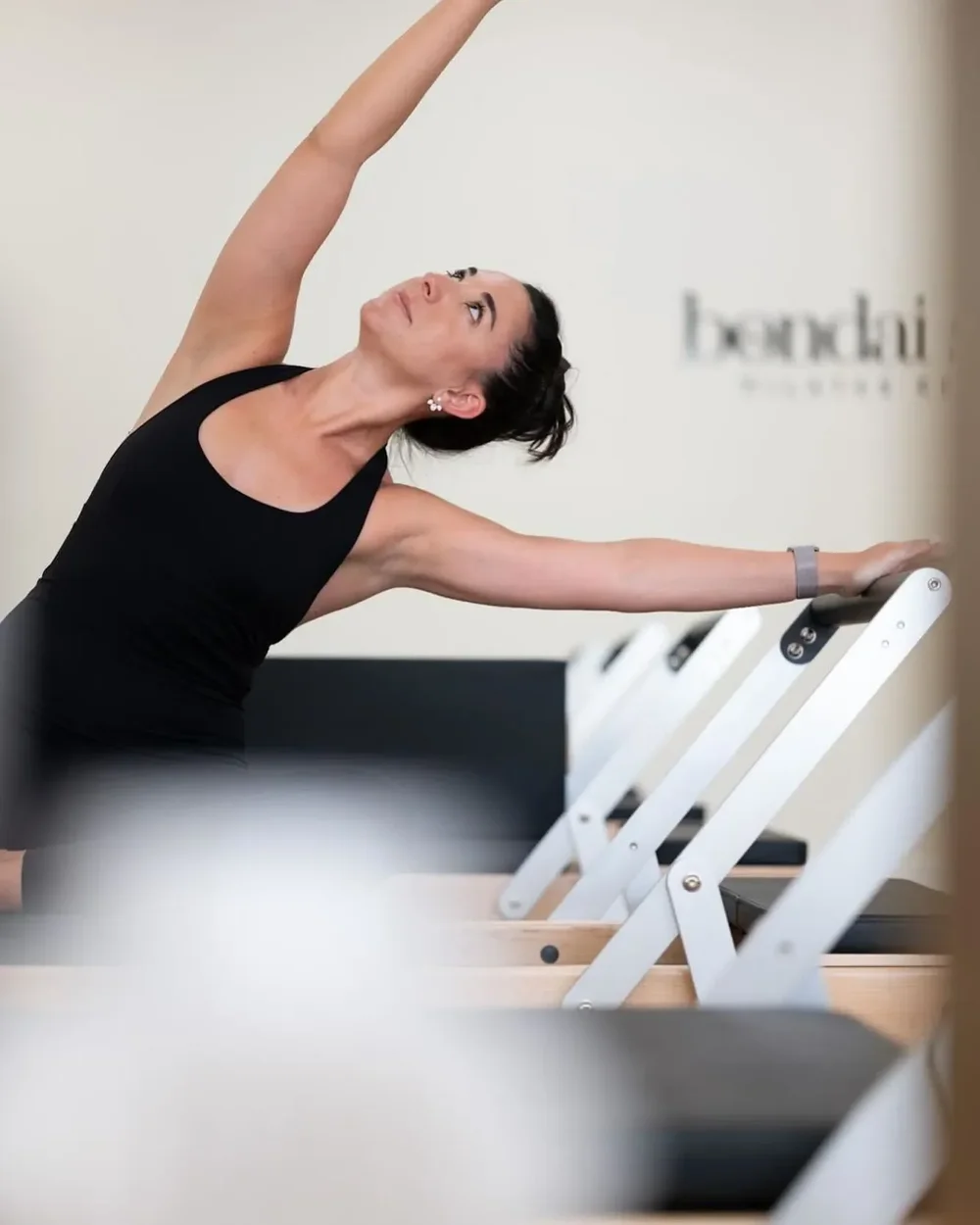
Sports Conditioning Pilates in Northern Beaches offers athletes a effective approach to improving movement quality, physical control, flexibility, balance, coordination, and overall conditioning. Athlete Pilates can be adapted for runners, footballers, swimmers, tennis players, dancers, gym users, and recreational sports participants who want to complement their existing training. Rather than focusing only on maximum strength or cardiovascular fitness, Pilates encourages the body to work as a coordinated system. Controlled exercises can target the core, hips, legs, shoulders, and back while developing awareness of posture and alignment. Pilates for athletic performance may therefore support important physical qualities such as stability, mobility, muscular endurance, and body awareness. Core conditioning is particularly relevant because the trunk helps connect movements between the upper and lower body during activities such as running, jumping, lifting, rotating, and changing direction. Pilates exercises can challenge the abdominal muscles, back, hips, and surrounding stabilizers while requiring participants to maintain controlled positions. This type of training does not necessarily replace conventional strength training, but it can complement resistance workouts by providing additional movement-control and stability work. Strength and conditioning Pilates can be adjusted according to an individual's ability, with beginners using foundational movements and experienced athletes progressing toward more demanding exercises. Good technique should remain the priority, because performing an advanced movement without sufficient control may be less useful than completing a simpler exercise correctly. Breathing, alignment, tempo, and controlled range of movement can all contribute to effective Pilates practice. For athletes, the objective is not simply to perform difficult exercises but to develop physical qualities that can support their broader sporting activities.
Preventive Pilates Training can form another valuable part of an athlete's conditioning routine. Injury prevention training cannot guarantee that injuries will never happen, but it can contribute to better physical preparation when combined with appropriate strength work, recovery, sport-specific practice, warm-ups, and sensible training loads. Different sports place different demands on the body, which means conditioning should be adapted according to the activity. Runners may require additional attention to lower-body control, hip stability, balance, and mobility, while tennis players may benefit from exercises that support rotation and shoulder stability. Football and basketball athletes frequently perform acceleration, deceleration, jumping, landing, and rapid changes of direction, creating a need for strong movement control and physical preparedness. Pilates can provide exercises that complement these demands through controlled strengthening, stability work, and coordination exercises. Balance is another useful component because athletes often need to control their bodies while standing on one leg, landing, turning, or moving quickly. Pilates can challenge balance through stability movements, encouraging participants to maintain alignment while controlling their body position. Mobility can also be incorporated into sessions, allowing athletes to work through comfortable ranges of movement while maintaining muscular control. This combination of mobility and stability can be useful because flexibility alone does not necessarily provide the control required during sport. By incorporating Pilates into a wider training plan, athletes can address different physical qualities without relying exclusively on sport practice or conventional gym workouts. Regular conditioning can also encourage athletes to become more aware of movement limitations and areas that may require additional attention, although any persistent pain or suspected injury should be assessed by an appropriate professional.
Recovery-focused Pilates can be incorporated into a carefully managed rehabilitation or return-to-training program when appropriate. After an injury, an athlete may experience reduced strength, limited mobility, poor balance, altered movement patterns, or reduced confidence. Returning immediately to full-intensity activity may not always be suitable, so progressive exercise can provide a controlled pathway toward greater physical capacity. Pilates movements can often be modified by changing resistance, range of movement, exercise position, tempo, or complexity. An athlete may begin with simpler movements and gradually progress as strength and control improve. Sports rehabilitation Pilates should not replace medical assessment, physiotherapy, or other professional treatment when these are required. Instead, Pilates may complement a recovery plan when it has been considered suitable by an appropriately qualified professional. Communication is particularly important during rehabilitation because exercise selection should reflect current restrictions and recommendations. Athletes should also pay attention to how their bodies respond during training and avoid ignoring unusual or worsening discomfort. Pilates may help rebuild confidence because controlled exercises allow athletes to practice movement in a structured environment before returning to more demanding sporting activities. Recovery should also consider the athlete's complete training schedule. Someone who is already completing intense sport practice and resistance training may not benefit from adding excessive exercise volume. A carefully planned Pilates session can provide mobility, stability, and controlled strengthening without necessarily reproducing the high-impact demands of competitive sport. During the recovery process, progression should be gradual and appropriate to the individual's capabilities. As movement quality improves, exercises can become more challenging, with greater resistance, larger movement ranges, more complex positions, or increased coordination pilates for athletic performance demands introduced when suitable. The long-term objective is to help the athlete return toward normal training and sport participation while respecting the recovery process.
For athletes interested in sports conditioning Pilates in Northern Beaches, individualized programming can make the training more relevant and effective. Every athlete has different goals, sporting demands, training experience, physical capabilities, and recovery requirements. A recreational runner may need a different program from a competitive footballer, while a tennis player may have different priorities from a swimmer. A suitable Pilates routine can be adjusted to focus on areas such as muscular endurance. Pilates for athletic performance can be included during different stages of an athlete's training year. During preparation periods, athletes may have greater opportunity to work on foundational strength, mobility, stability, and movement technique. During competitive periods, sessions may focus more on maintaining physical qualities and supporting recovery while avoiding unnecessary training fatigue. During periods away from sport, Pilates can provide a structured way to maintain movement and conditioning. Strength-focused Pilates conditioning can also work alongside traditional resistance training rather than competing with it. Weight training may focus on progressive strength and power, while Pilates provides additional attention to controlled movement, stability, coordination, and body awareness. The combination can create a varied training program that addresses different aspects of physical preparation. Athletes should remember that Pilates is not a replacement for sport-specific practice. A runner still needs running, a footballer still needs football training, and a swimmer still requires swimming practice. Pilates works best as a complementary method that supports the physical foundation required for those activities. Consistency is also important. Physical improvements generally require regular practice and appropriate progression rather than occasional sessions. Athletes should prioritize quality technique and allow sufficient recovery between demanding workouts.
Ultimately, Sports Conditioning Pilates Northern Beaches can provide a versatile addition to a well-rounded athletic training program. Its emphasis on core stability makes it suitable for athletes with different sporting backgrounds and training objectives. Athlete-focused Pilates can support the development of physical qualities that complement strength training, cardiovascular conditioning, mobility work, and sport-specific practice. Injury Prevention Pilates may contribute to a broader strategy for preparing the body for sporting demands, while Pilates for Sports Injury Recovery can potentially complement professional rehabilitation when appropriately prescribed. Preventive sports conditioning should always be viewed as a complete process involving suitable training loads, recovery, technique, strength, mobility, and professional guidance when necessary. Pilates can contribute one useful element to that process by encouraging controlled and coordinated movement. For athletes focused on athletic performance Pilates, the goal should be practical improvement rather than simply mastering advanced exercises. Better stability, movement awareness, mobility, muscular endurance, and coordination can all support an athlete's wider preparation. With appropriate instruction and gradual progression, Pilates can be adapted to different abilities and training stages. Whether an athlete wants to improve movement quality, complement strength and conditioning, support a carefully managed recovery process, or develop better physical preparedness, Pilates offers a flexible training option. A consistent and individualized approach can help ensure that exercises remain relevant to the athlete's needs. When combined with sport-specific practice, conventional conditioning, adequate recovery, and appropriate professional support, Pilates can become a useful part of a sustainable athletic training strategy focused on performance, movement efficiency, physical control, and long-term development.